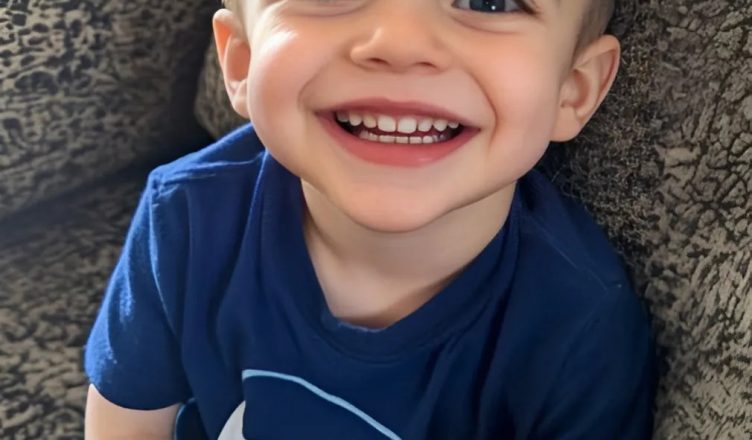
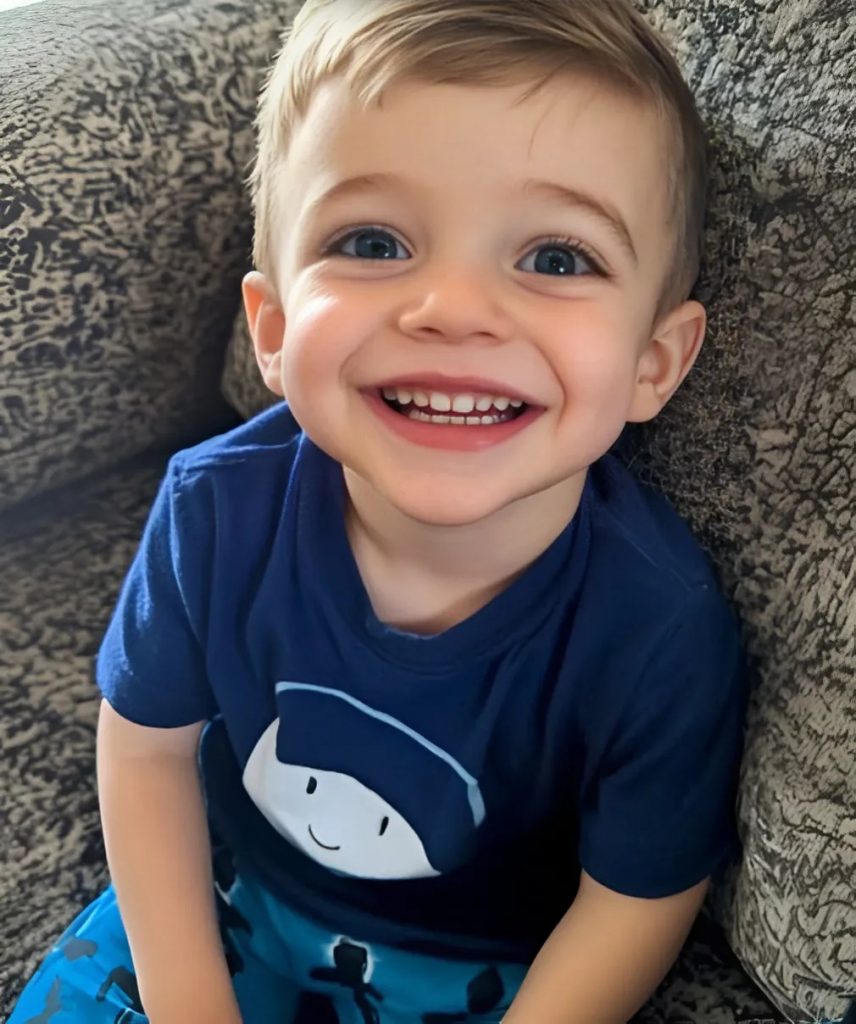
We had waited two years. Two years of paperwork, background checks, parenting classes, home visits — all for one dream: to become parents. And finally, it happened. We met Vanya, a quiet, wide-eyed little boy just three years old. He didn’t cry. He didn’t smile. He didn’t cling or resist. He simply looked at us, observing, absorbing. Silent.
We were prepared for a difficult adjustment. Or at least we thought we were — until that first night, when we brought him home and gave him a bath.
That’s when my husband froze.
That’s when he said the words that shook me:
“This can’t be real… We have to return him.”
The Bath That Changed Everything
It was just a routine moment. My husband started running warm water. I brought a towel and some gentle soap. Vanya followed us into the bathroom calmly, expressionless, obedient. Not curious. Not afraid. Just blank.
But the moment my husband began to undress him and touched his back, the boy flinched.
Then we saw it.
From his shoulders down to his lower back were faded scars — lines. Straight, deliberate. Some light, some deeper. Not fresh. Not random. Scars from repeated trauma. From something — or someone — that had done this over and over.
Vanya didn’t cry. He didn’t say anything. But when my husband reached for the sponge, Vanya curled in on himself and covered his head. It was automatic. Practiced. A response to being hit.
And my husband, horrified, whispered,
“This can’t be real… We’re not ready for this… Maybe we have to return him.”
The Weight of That Moment
We didn’t finish the bath. We wrapped him in a towel and sat in silence.
That night, Vanya lay on his bed stiff as a board, arms flat at his sides, eyes wide open. He didn’t ask for a bedtime story. He didn’t ask for water. He just stared at the ceiling.
My husband didn’t sleep at all.
The next morning, we called child services. The caseworker confirmed our fears.
“There are suspicions of abuse,” she said. “His biological mother was under investigation. No confirmed reports. The file is incomplete. The child was removed in emergency conditions.”
No one knew the full story. But Vanya’s body told the truth.
The Guilt and the Turning Point
My husband later admitted that what he said that night haunted him.
“I didn’t mean we should return him,” he told me. “I was terrified. Of how broken he might be. Of how broken I felt just seeing him flinch.”
But we didn’t give up.
We found a trauma specialist. We stopped focusing on “progress” and started focusing on safety. No forced hugs. No raised voices. No sudden movements.
Vanya didn’t speak much for the first few months. But he watched. And he learned that no one here would hit him. Not for spilling water. Not for asking questions. Not for existing.
Two Years Later
Now Vanya is five. And he laughs in the bath. He splashes. He insists on more bubbles. He calls my husband “Dad” and wraps his arms around his neck without fear.
But when a door slams too loudly, he still jumps.
And when he’s really scared, he still curls in on himself.
The scars are still there — faint, but permanent.
And that’s okay.
Because every day, he teaches us something: how to love someone who was never given a reason to trust.
What We Want You to Know
Adoption is not a fairytale. It’s not a perfect Instagram post. It’s pain, and fear, and healing — slowly, in pieces.
But if you are willing to hold that child through their silence, through their panic, through their trembling — they will begin to believe.
Not in you.
Not at first.
But in the possibility of love.
And one day, they’ll look up from the bath, soaked and giggling, and say,
“Can I stay here forever?”
And you’ll answer, through tears,
“You already do.”