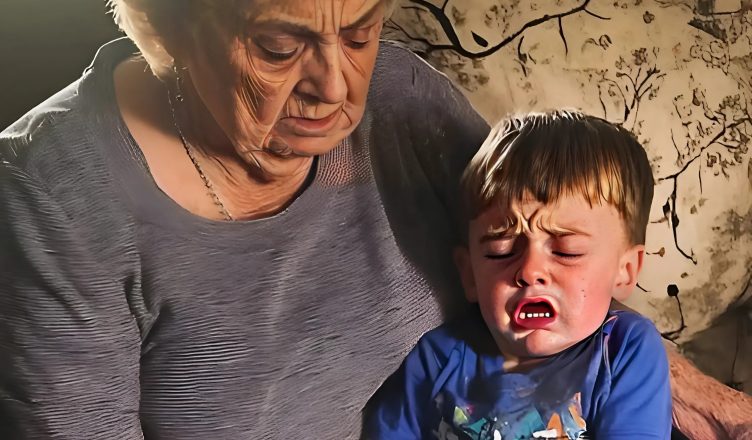
Relationships with in-laws are rarely simple. With my mother-in-law Carol, things had always been civil — polite, but distant. She lived nearby and often offered to babysit our son, her only grandchild. It was convenient, especially since I worked night shifts at the hospital. My wife appreciated the help. I tried to be grateful.
But around the time our son turned four, something changed.
The Signs Were Subtle — At First
Every time our son came home after staying with Carol, he was different. Withdrawn, irritable, sometimes even defiant. At first, we chalked it up to tiredness or maybe the classic “grandma spoils him too much” routine. But this wasn’t sugar crashes or bedtime tantrums. This was something deeper. Something was wrong.
One day, as I was driving him home, I asked gently, “Hey buddy, why are you so upset every time you come back from Grandma’s?”
His reply stopped me cold.
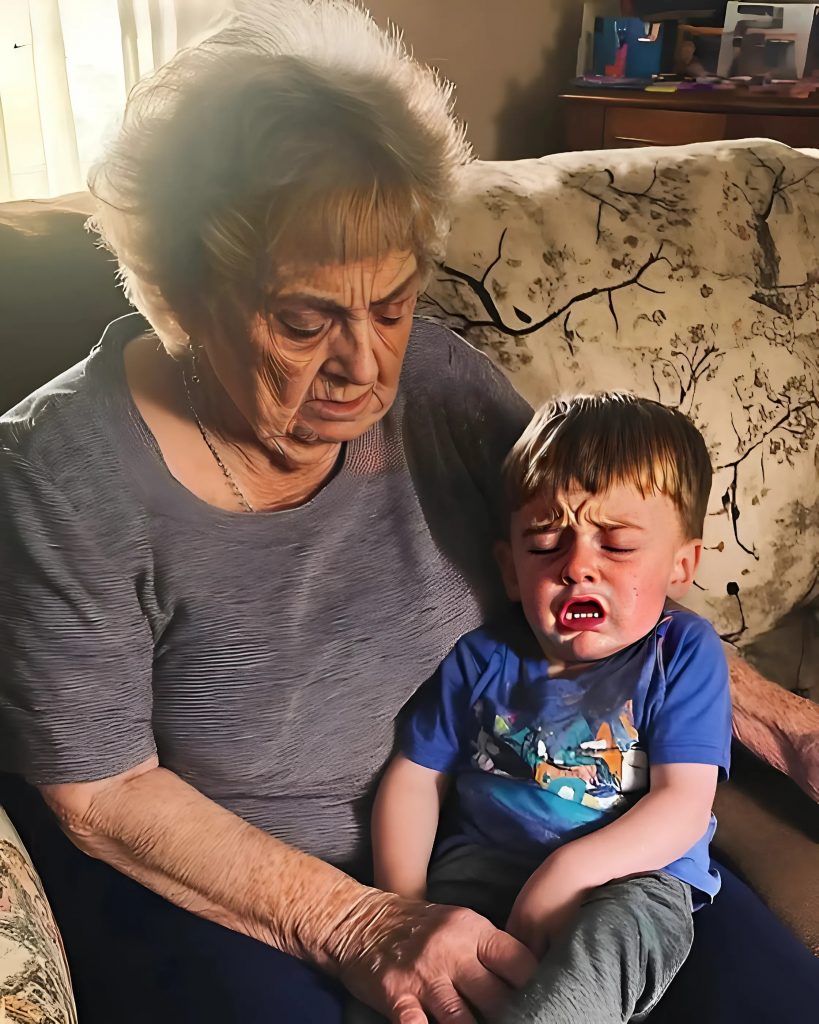
“Because she doesn’t like me. She says she only watches me because you and Mommy make her.”
I didn’t know what to say. I felt a chill go down my spine. Could it be true? Could Carol — who always acted like the doting grandmother in front of us — be treating our son badly when we weren’t around?
Seeking the Truth
For a few days, I tried to convince myself he’d misunderstood. Maybe she was just grumpy. Maybe he was exaggerating. But then it happened again. And again.
So I did something drastic.
I placed a small voice recorder in his backpack the next time he stayed with her.
What I heard later that night shattered everything I thought I knew.
Carol wasn’t just cold — she was cruel. On the recording, she snapped at him, belittled him, denied him snacks, and ignored him when he asked for help.
“I’m not your maid. Stop whining.”
“If it were up to me, you wouldn’t be here.”
“Your mom’s so selfish, dropping you off like you’re my problem.”
At one point, he asked for a hug. She told him to “go play quietly and stop being annoying.”
My heart broke. And then it hardened.
I Didn’t Yell. I Didn’t Text Her in Anger. I Planned.
I’m not a confrontational person. I didn’t want a screaming match. What I wanted was clarity — and consequences.
Carol loved image. She played the role of the sweet, generous grandmother at family functions, always the first to offer help publicly. So I decided to reveal her true self — in front of the people whose opinion she valued most.
At a family gathering a week later, I stood up to make a short announcement.
“I’d like to share a short recording,” I said, holding up my phone. “It’s from a day when Carol was kind enough to babysit.”
The room fell silent. Some people smiled, expecting a funny anecdote. What they heard instead was her voice, bitter and sharp, berating a four-year-old for simply existing.
When the recording ended, I said calmly:
“Carol won’t be watching our son anymore. Ever.”
She stormed out of the room. No one stopped her.